
Design That Feels as Good as It Looks
Neuro-Sensory Inclusive Design Strategy for the Future of Human Environments

Inclusive Design Strategy by Melissa Buffin
I don’t predict human behavior. I design for the biology that drives it.
As AI accelerates building workflows, human nervous-system literacy becomes the differentiator. This is not a niche need. This is the future user profile.
I help corporations, schools, experiential environments and healthcare systems create environments where people think clearly, perform effectively, and feel regulated and connected — not overwhelmed. With over 18 years of clinical expertise in occupational therapy and sensory science, I partner with design teams, architects, and leadership groups to create environments that actively enhance human performance, emotional regulation, and connection—not by accident, but by design.
Because design shouldn’t just be seen — it should be felt.
Not just accessible. Not just beautiful.
Biologically compatible
Behaviorally intelligent
Future-proof
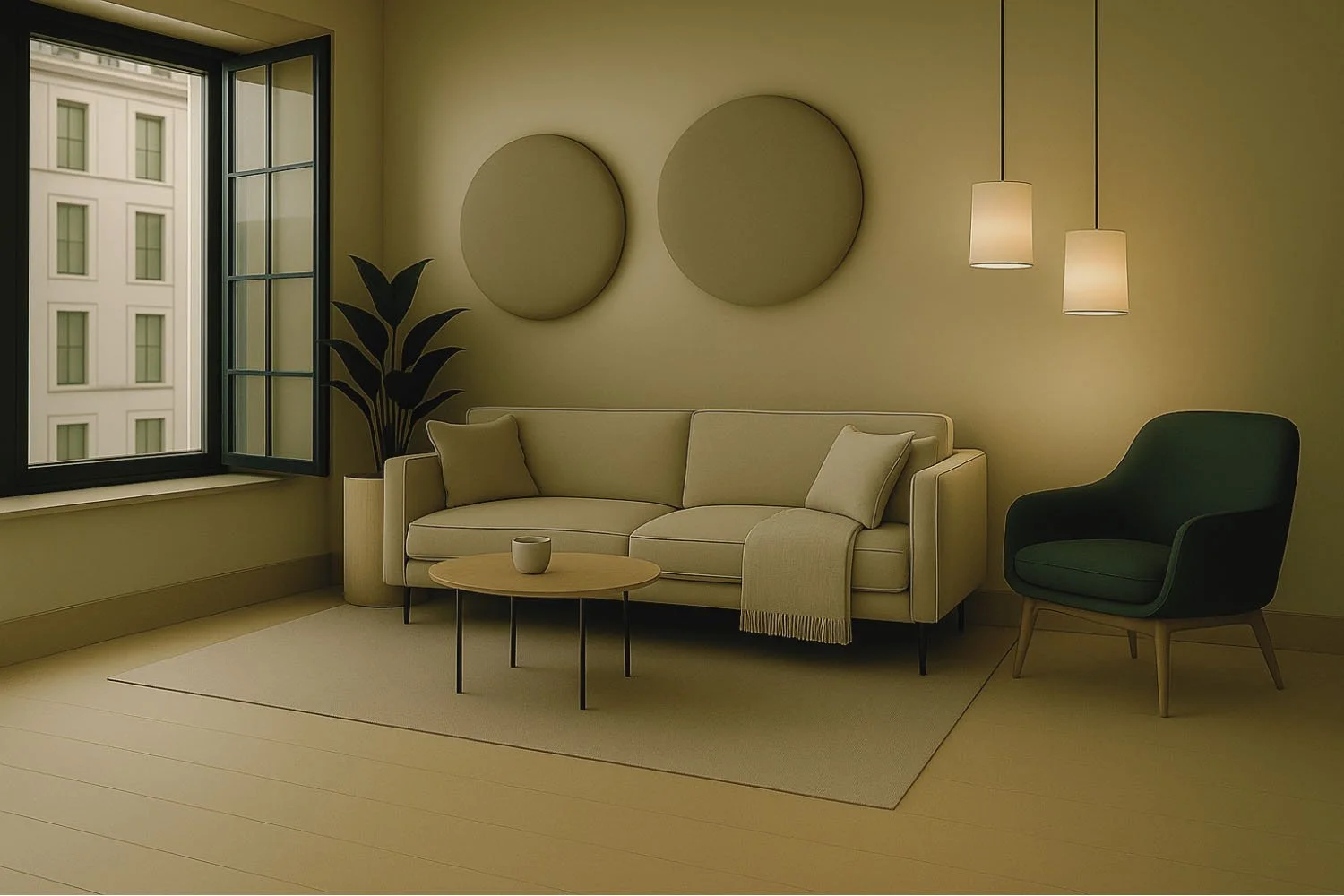

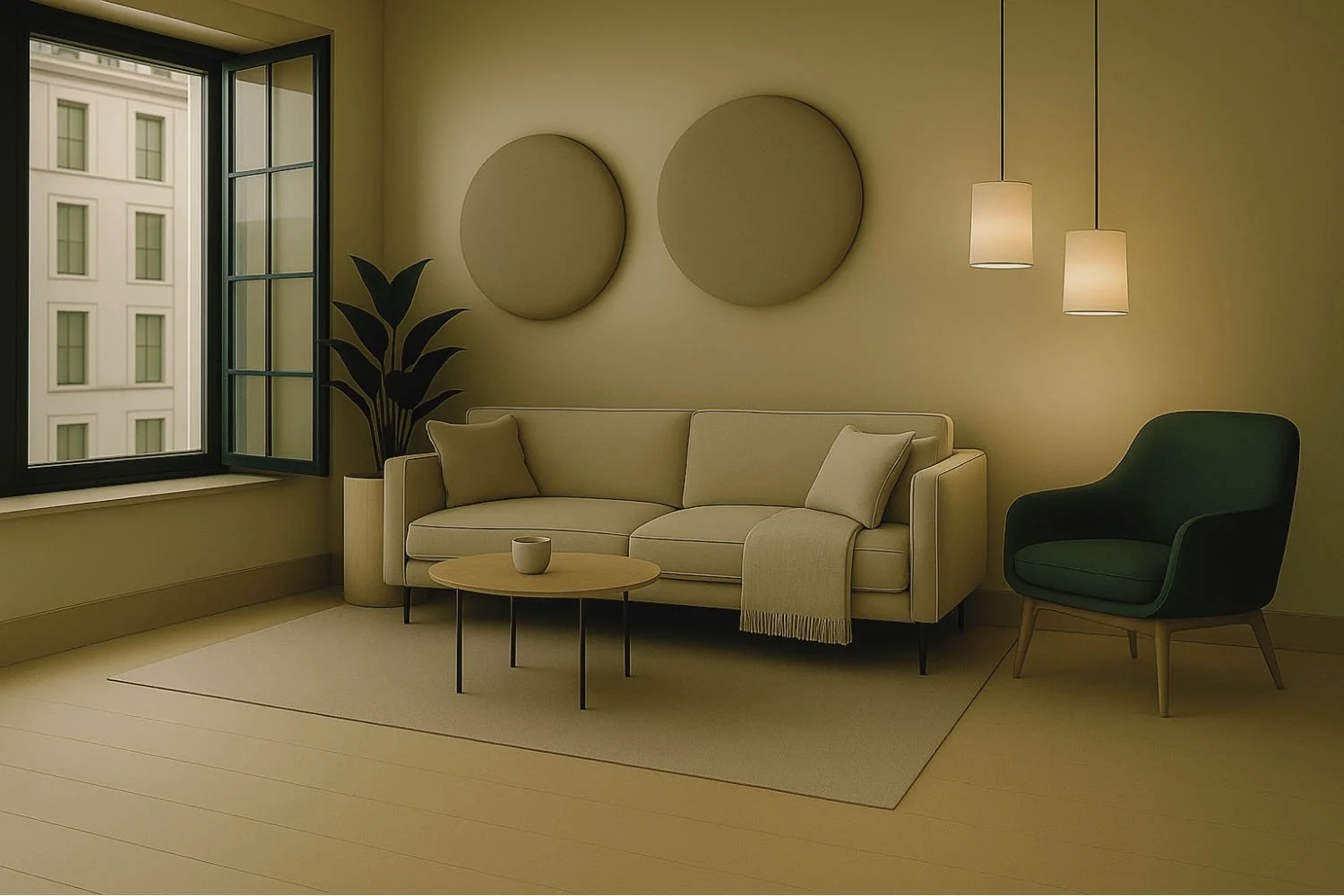
Click the crosses to explore Melissa’s design decisions & their impact on the space user
Explore more inclusive environments conceived by Melissa
Work

Corporate and Workplace Environments
In today’s hybrid work climate, employees will not return to environments that drain their nervous system or impair focus. The rise of AI makes designing for humans increasingly important as the antidote to the dysregulation caused by such a high pace of technological change. Poorly designed offices increase stress, cognitive fatigue, and disengagement—leading directly to absenteeism and costly turnover. Neuro-sensory inclusive design transforms workplaces into environments people choose, enhancing productivity, innovation, and long-term retention without increasing build costs.
-
Improvement in Performance
Up to 40% improvement in cognitive performance when sensory regulation is optimized (Harvard Healthy Buildings Program)
-
Increase in Retention
20% increase in employee retention in environments designed to support nervous system regulation and well-being (Leesman Index, 2023)
-
Greater Satisfaction
57% of employees say the physical environment now determines whether they stay with an employer (Gensler Workplace Survey, 2024)
Learn
Educational Environments (Preschool–12 & Higher Education)
Schools are facing record student dysregulation and teacher burnout. Environments that overwhelm the nervous system reduce attention, retention, and classroom participation—while driving teacher turnover. Neuro-sensory responsive design improves behavior regulation, enhances learning readiness, and stabilizes teaching environments by reducing stress for both students and educators.
-
Improvement in Engagement
25% increase in student engagement in classrooms with sensory regulation strategies (American Journal of Occupational Therapy, 2021)
-
Elevated Academic Outcomes
Sensory overstimulation reduces attention by up to 66%, directly impacting academic outcomes (Journal of Environmental Psychology)
-
Improved Teacher Retention
Teacher retention increases by up to 22% when environmental stressors are reduced (EdWeek Research Center, 2023)
Healthcare & Behavioral Environments
Patients do not heal in spaces that dysregulate the nervous system. In hospitals, behavioral health facilities, and therapeutic environments, sensory overwhelm contributes to agitation, extended stays, safety incidents, and staff burnout. Neuro-sensory informed environments promote patient calm, accelerate regulation, and support clinician resilience—improving outcomes and lowering operational strain.
Heal
-
Calmer Patients
30% reduction in patient agitation in sensory-responsive environments (Journal of Clinical Healthcare Design, 2022)
-
Supportive for Children
37% decrease in restraint use in pediatric hospitals using sensory calming spaces (Journal of Pediatric Nursing)
-
Reduction in Employee Burnout
Staff burnout decreases by 25% when environmental triggers are reduced (American Hospital Association Workforce Report, 2023)
Public, Entertainment & Destination Environments
In arenas, museums, airports, and attractions, sensory overload leads to early exit, disengagement, and reduced revenue. Neuro-sensory inclusive environments increase visitor comfort, immersion, and dwell time—transforming passive audiences into active participants and loyal brand advocates.
Experience
-
Increased Revenue
Up to 30% increase in dwell time, directly correlating with higher guest spending (IAAPA & MuseumNext Reports, 2023)
-
Improved Visitor Satisfaction
Visitor satisfaction and return intent rise significantly when sensory stressors are minimized (International Association of Amusement Parks & Attractions)
-
Improved Retail Engagement
Airports implementing regulation zones report calmer passenger flow and higher retail engagement (ACI Airport Experience Report, 2023)
Melissa Buffin is an Inclusive Design Advisor specializing in neuro-sensory and human-centered environments across corporate, educational, healthcare, and experiential sectors.

With more than 18 years in clinical occupational therapy and human environmental science, she transforms buildings into high-performance human ecosystems—spaces intentionally designed to shape how people focus, recover, participate, and connect.
Rather than designing for aesthetics or compliance alone, Melissa works alongside architects, design firms, and executive leadership teams to translate organizational goals into environments that deliver measurable results—from increased workplace attendance and cognitive performance, to reduced patient escalation, to immersive engagement in entertainment and public venues.
She does not predict human behavior—she understands it at the level of the nervous system. This is the point where AI modeling ends and embodied human expertise becomes essential. AI can generate walls and lighting — but it cannot yet read nervous systems, soothe uncertainty, or translate human stress into space strategy.
Melissa works from one signature principle: What is necessary for some is optimal for all.
By centering design on the full spectrum of human neuro-sensory needs, Melissa ensures spaces are not only inclusive—they are *advantage-driving assets* that support longevity, well-being, innovation, and peak performance.
Melissa doesn’t hand off recommendations—she embeds with your team to bring them to life, ensuring inclusive design is executable, scalable, and embraced by all stakeholders.
If you’re designing for the future of work, care, learning, or human experience—this is where the next decade of space design begins.
Get in touch to discuss your project.
Melissa’s Approach: The Neuro-Sensory Impact Grid™
The Neuro-Sensory Impact Grid™ is a proprietary framework created by Melissa Buffin that maps how the sensory systems interact to shape human performance, emotional regulation, and cognitive clarity inside built environments.
Grounded in neuroscience and nearly two decades of clinical expertise, it powers all of my work—from signature environment like Centerpointe™, Play Sense™, Re-Center™, and Sideline Studio™ to bespoke neuro-sensory spaces engineered to meet the specific goals and population needs of each organization.
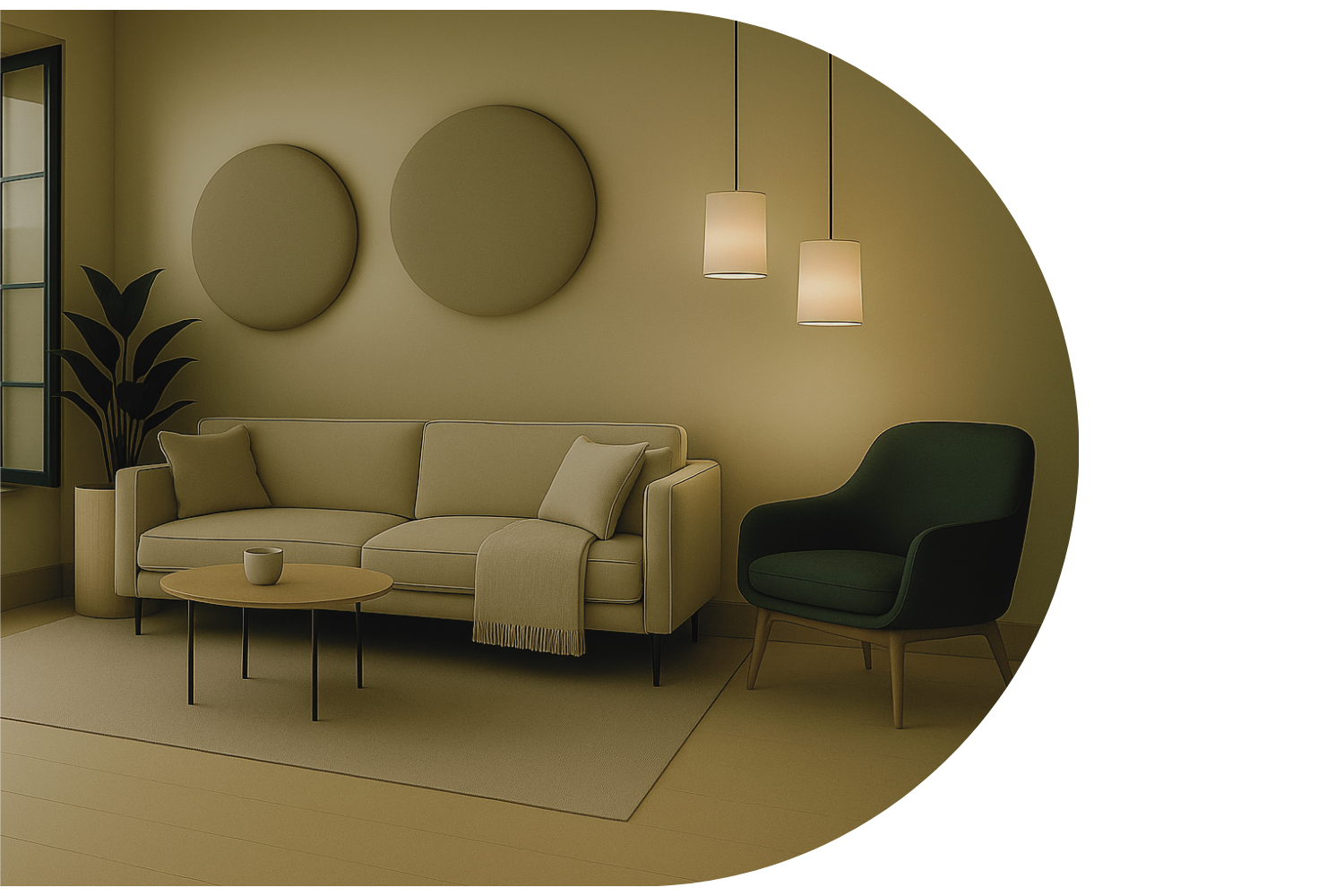
Centerpointe™: Neuro-Sensory Design for Workplace Performance
Neuro-sensory performance design for a private executive office to enhance clarity, decision-making stamina, and emotional regulation in hybrid leadership roles.
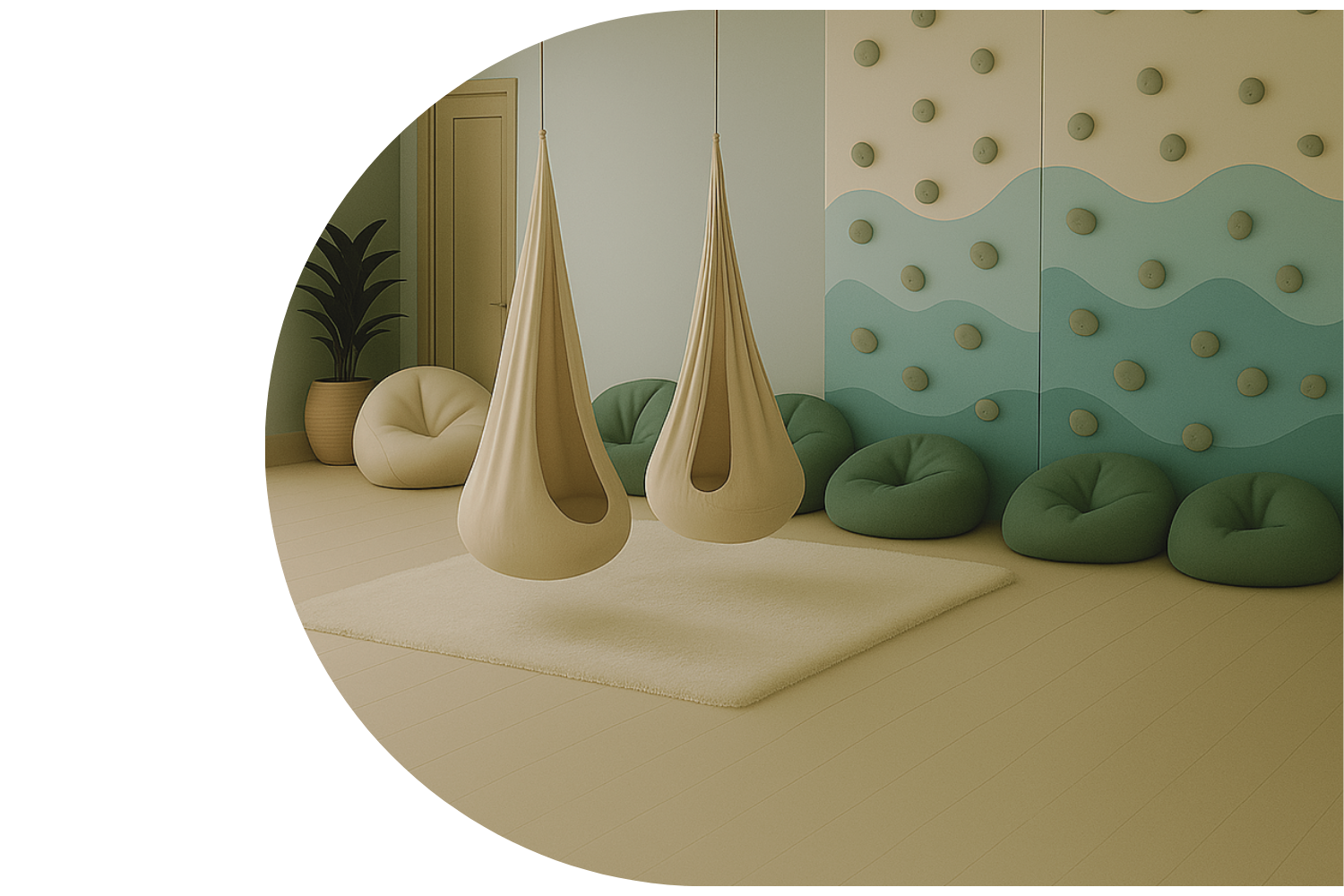
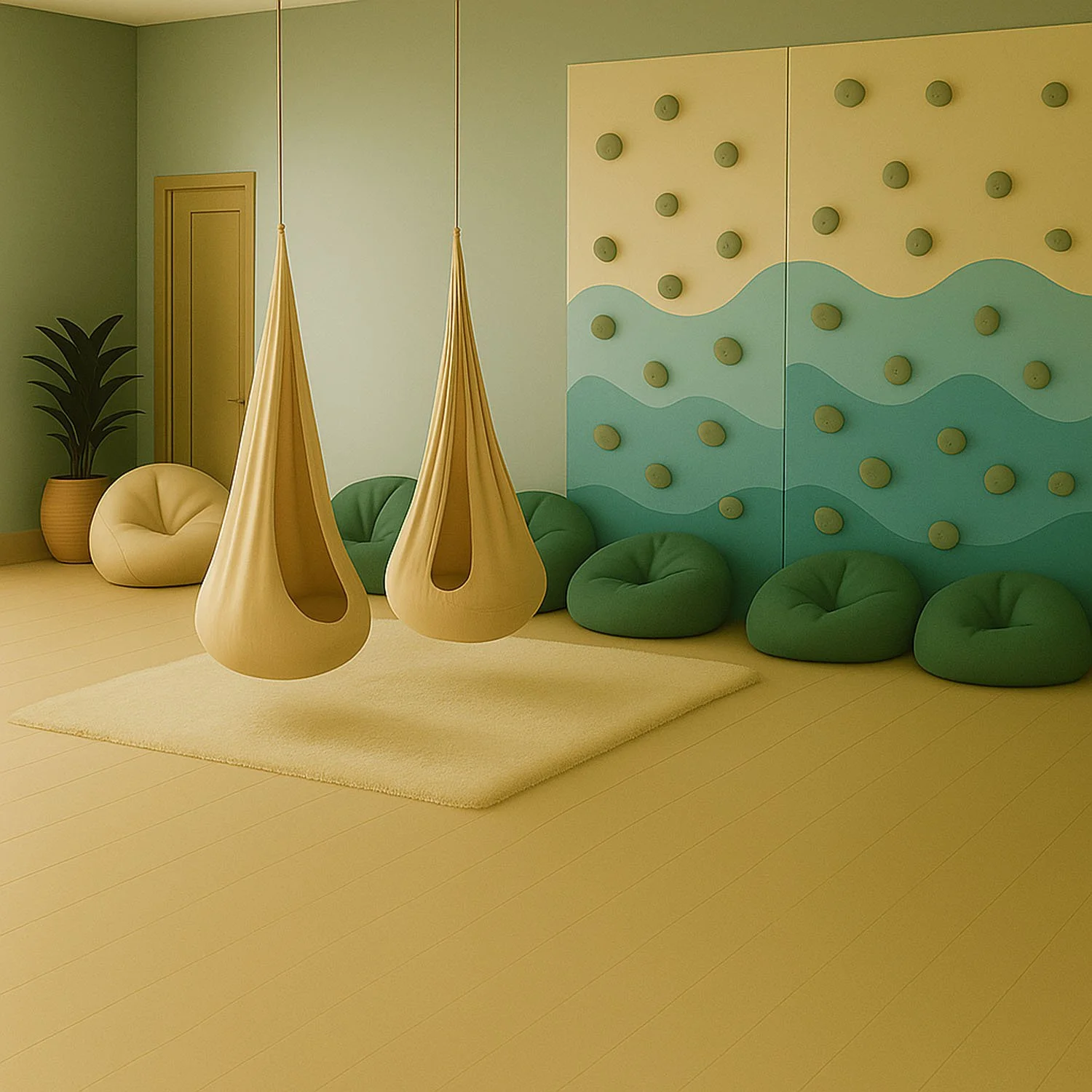
Play Sense™: Because regulated children learn, play, and connect
Design of a regulation-first, sensory-play studio to support emotional regulation, learning readiness, and classroom participation.
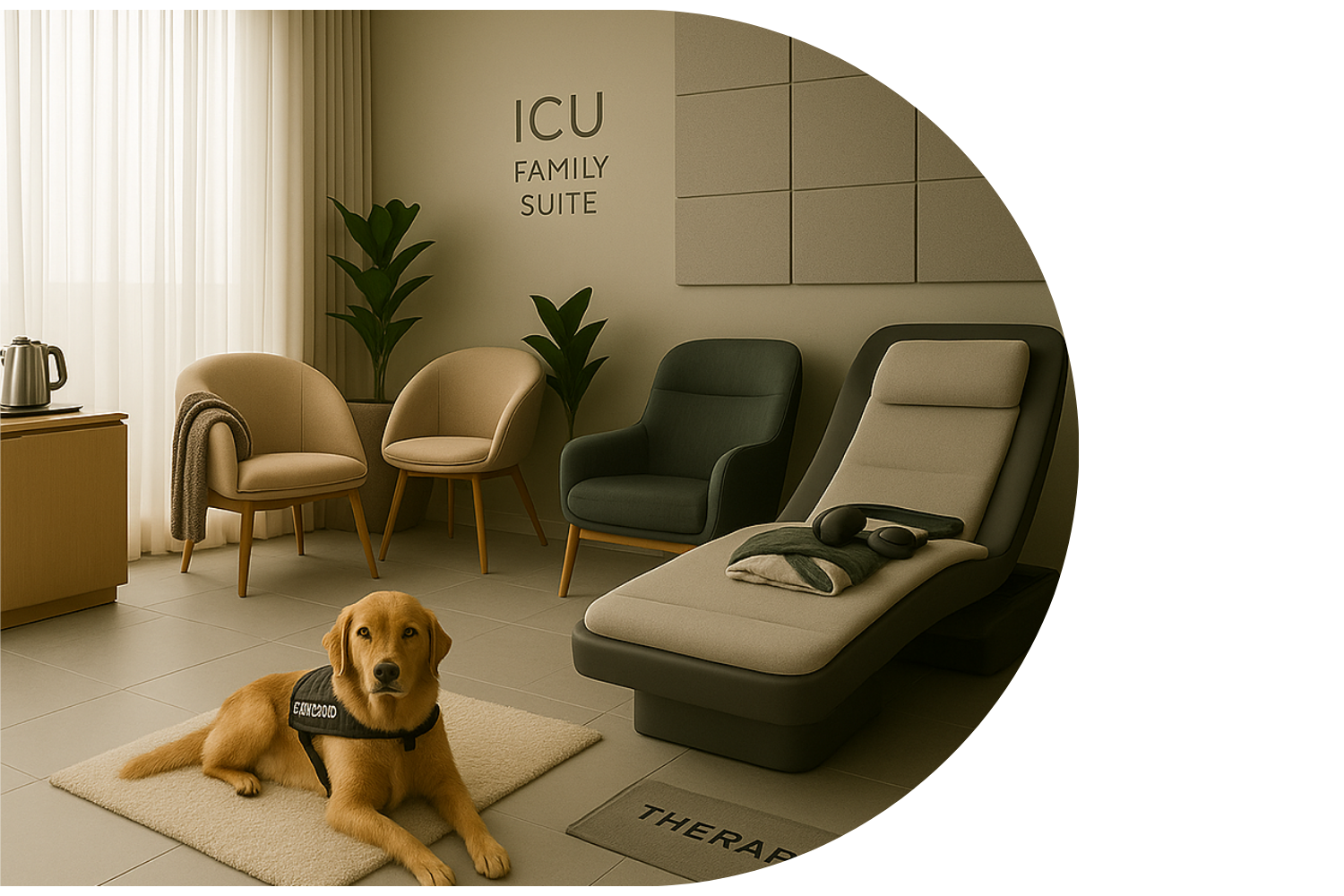
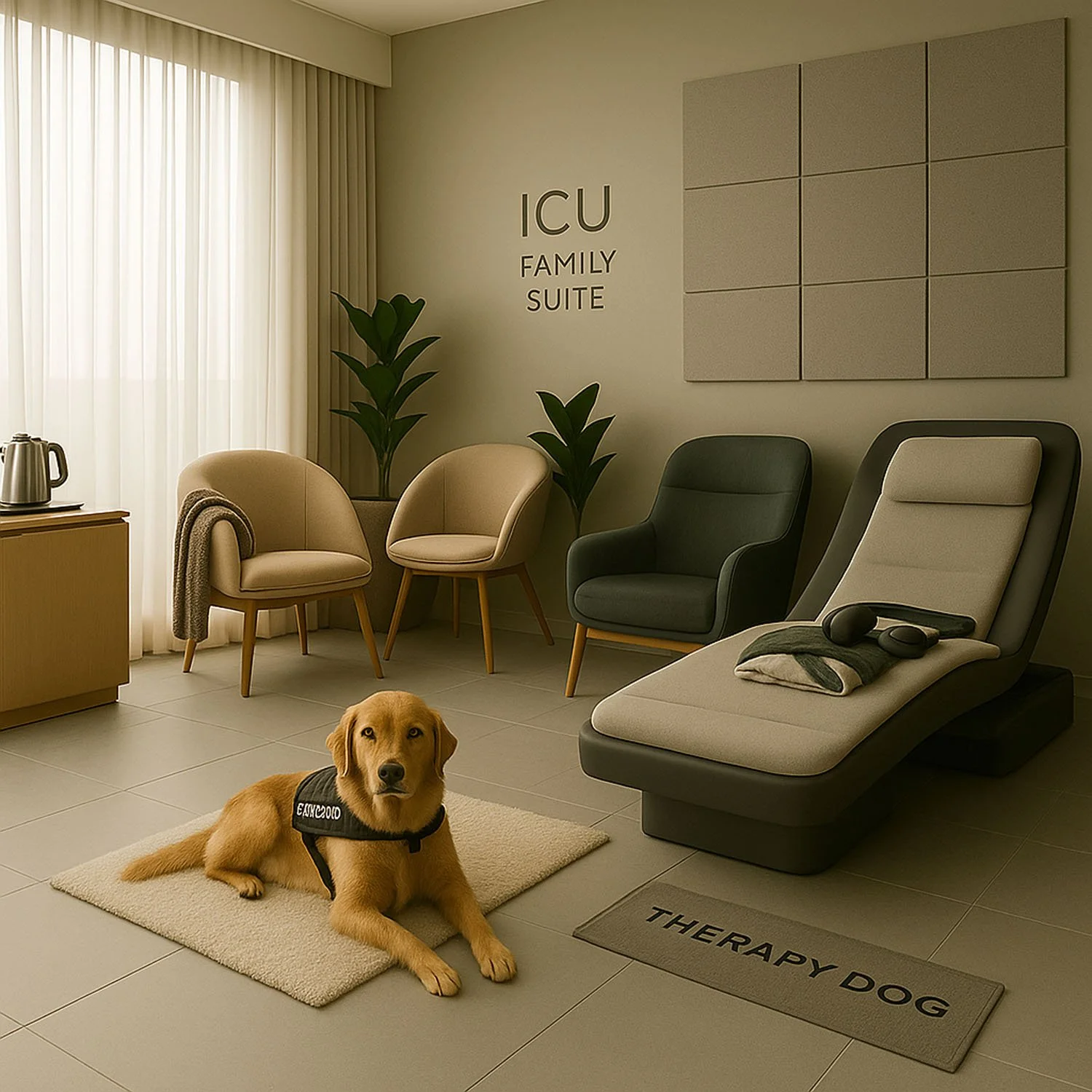
Re-Center™: A neuro-sensory recovery suite for families in critical care
Neuro-ICU environment serving families of patients in acute recovery. Private regulation + rest suite designed for multi-day hospital crisis stay.
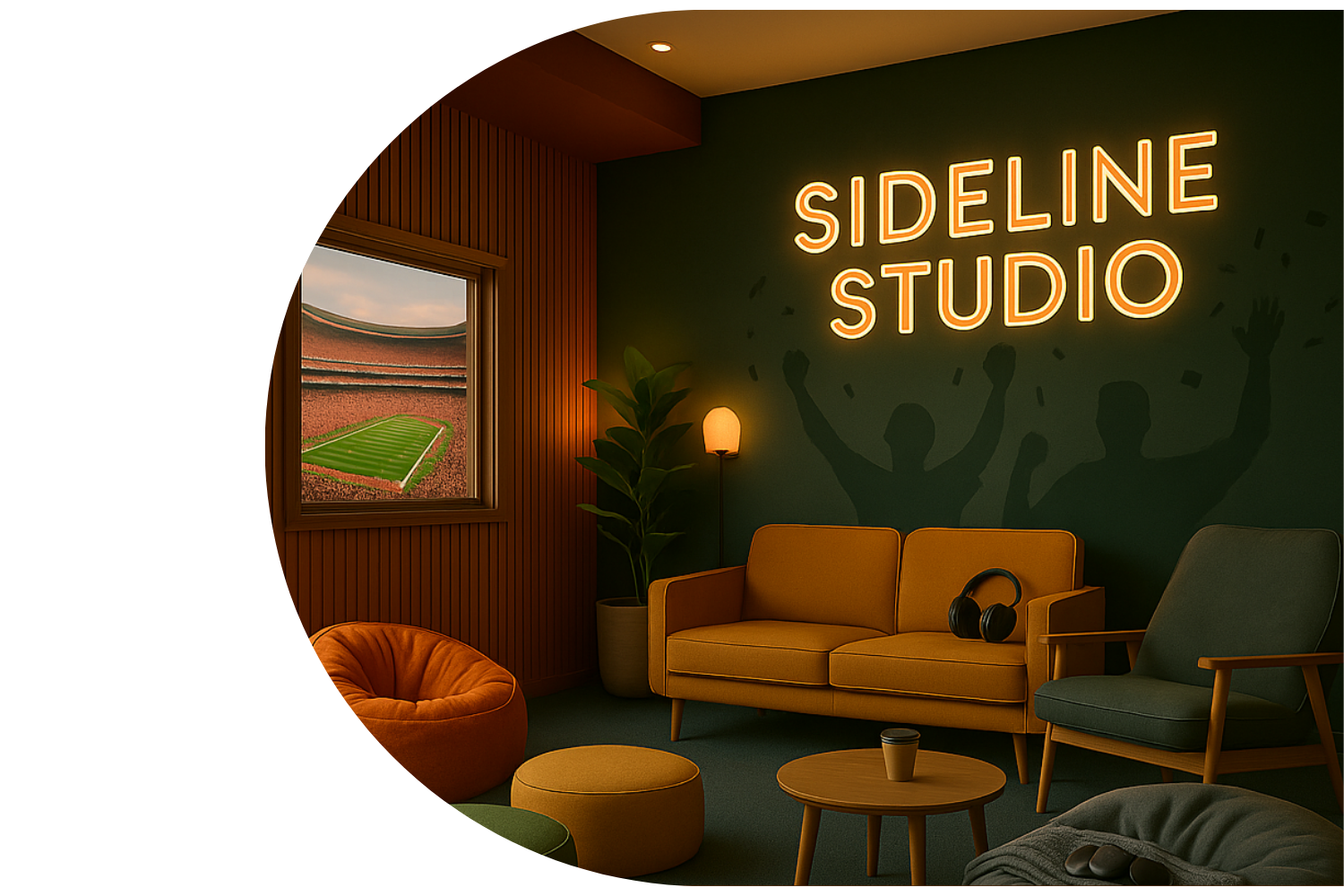
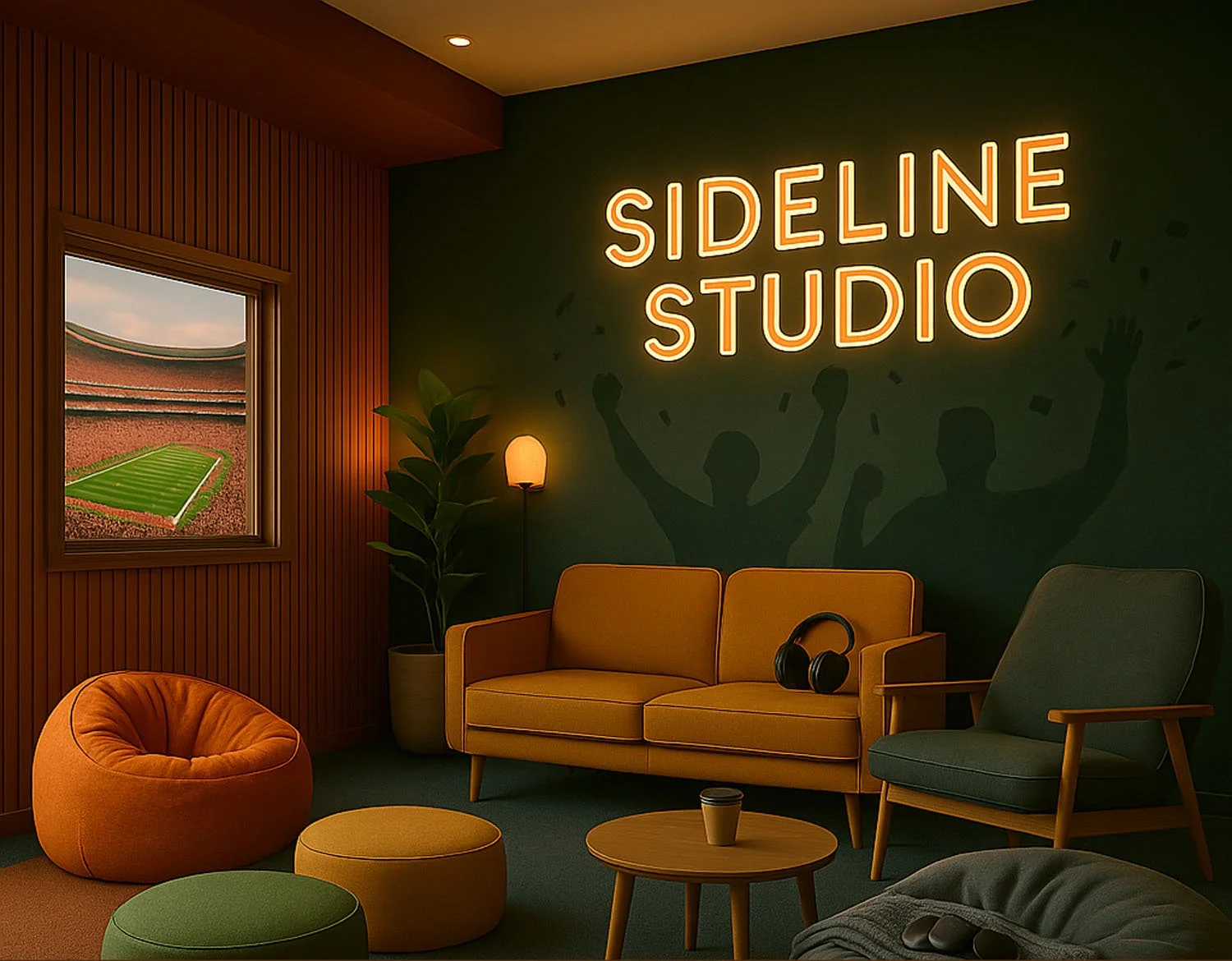
Sideline Studio™: Regulate without missing a moment
Design of an inclusive, sensory-regulated fan retreat suite that maintains connection to the event experience.
You can design for how a space looks —or you can design for how it performs
I integrate neuroscience, sensory environmental strategy, and human data to ensure every square foot optimizes focus, engagement, emotional well-being, and economic value.
I don’t predict human behavior—I design environments that shape it.
If you’re planning the future of care, learning, productivity or human experience, now is the moment to lead with neuro-sensory intelligence.
Together let’s build what AI can’t — human-centered environments that regulate, restore, and re-energize the people inside them.